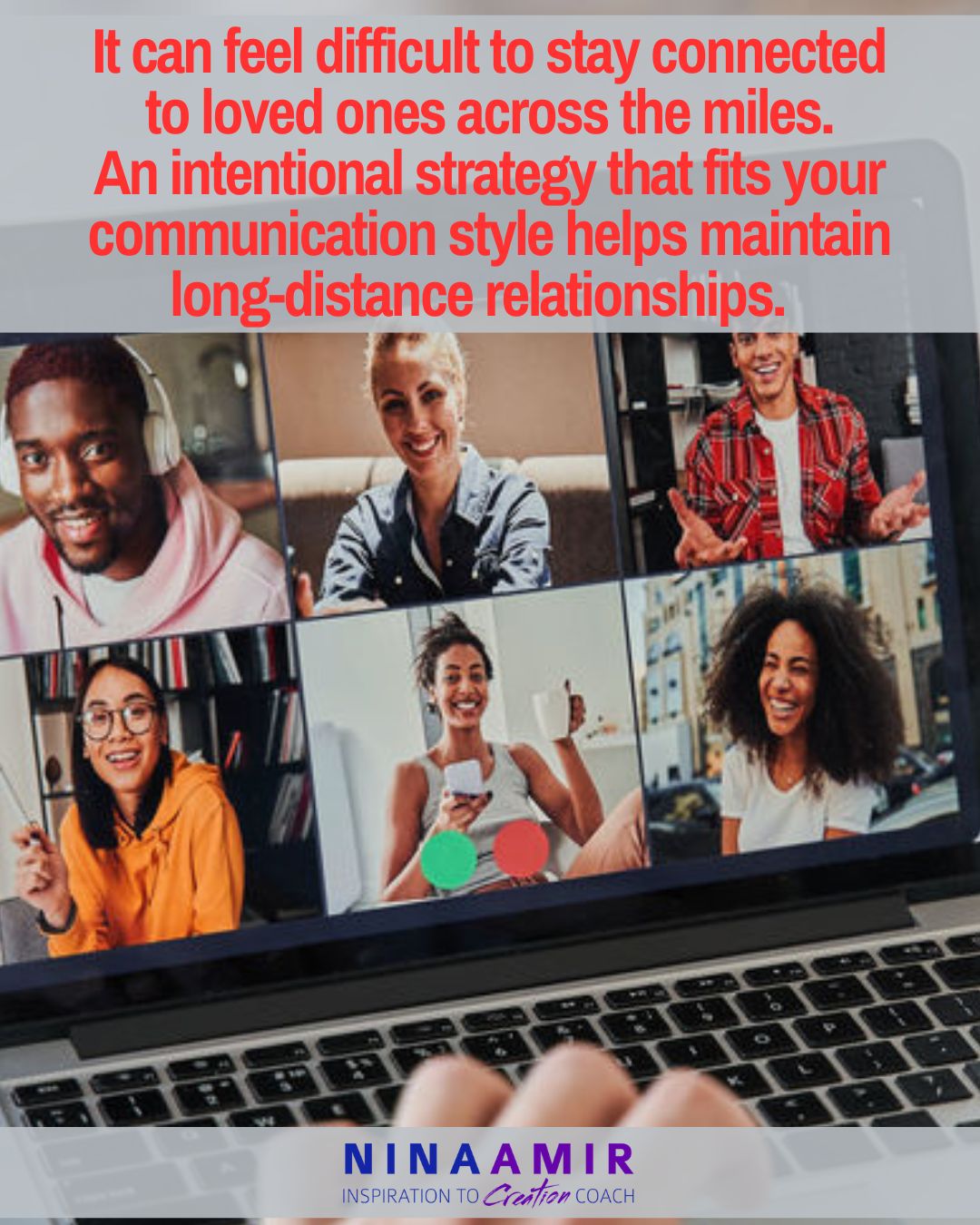
Staying in touch with people who live far away can prove challenging, particularly in our fast-paced lives where it’s easy to let relationships slip through the cracks. The issue isn’t just about distance, though. No matter why you feel challenged to keep in touch with loved ones across the miles, an intentional strategy can help you maintain those important long-distance relationships.
I have family and friends I rarely hear from—even though we love each other. Lack of communication most often occurs with my loved ones who live far away. However, I also have friends who live close by that I rarely hear from.
The difficulty staying in touch is not unique to me or my friends and family. Many people I know complain about not being in touch with loved ones the way they used to be or the way they want to be. And when confronted about their lack of contact, most people confess, “It’s not personal. I still love you, but I just find it difficult to remember to connect.”
Why It’s Hard to Connect Across the Miles
Understanding why people don’t connect provides a window into why long-distance communication is a challenge. A variety of factors may be at play, and knowing which ones are at play allows you to create long-distance communication strategies that work.
Neurodivergence
People who are neurodivergent, such as those with ADHD or who are on the autism spectrum, often struggle to maintain long-distance relationships. The reason why is simple: they have object permanence issues. This “out of sight, out of mind” phenomenon makes it difficult for them to focus on things they don’t actually see. That doesn’t mean they don’t love a person; it just means they can’t make themselves think about the person when the person isn’t frequently present.
Attachment Avoidance
Additionally, some people find it difficult to connect with loved ones who live far away because they have attachment avoidance. They tend to struggle with intimacy and prioritize independence over emotional closeness. As a result, they are less inclined to maintain relationships with people who are physically distant or not regularly present in their lives. This detachment stems from a fear of vulnerability and the belief that emotional ties compromise one’s autonomy and self-reliance.
Proximity and Consistent Interaction
Generally, research proves that social bonds are heavily influenced by proximity and consistent interaction. Even neurotypical people and those without attachment avoidance or object permanence issues find that the physical absence of a friend or loved one can trigger worry about the relationship’s sustainability. As a result, they may rationalize their disconnection as a means of self-protection. Lack of communication allows them to remain distant and less committed to the relationship. They believe inconsistent contact with someone who lives far away will lessen their upset if the relationship ends.
Digital Communication
Of course, digital communication also impacts long-distance relationships. While some would say we live in a connected world, others would argue that technology has created a disconnected society. While texting and social media allow for some level of quick, easy connection, individuals with attachment avoidance or object impermanence issues might still perceive these methods as superficial or not enough of a reminder to stay in touch. And if they or their loved ones don’t use social media, they won’t see each other’s posts and have an opportunity to respond.
The Need for Face Time
In truth, there’s nothing like true “face time.” And for those who have anxiety about speaking on the phone, using video, or even texting, technology doesn’t help them consistently communicate with loved ones long-distance.
And these technological mediums don’t allow for the context that comes with in-person meetings. You can’t accurately read a person’s energy or face when communicating with them via a screen. Many people avoid screen communication for that reason—they don’t want to misread a person’s words because they can’t put them in context with body language, vocal tone, or facial expressions.
Too Busy
Of course, there is the excuse of being “too busy” to stay in touch, which applies to both long and short-distance relationships. We are a busy society, and sometimes people just get too scattered to remember to reach out across the miles. Even neurotypical people get so caught up in daily life that they suffer from the “out of sight, out of mind” phenomenon. What is most present gets the most attention.
How to Stay Connected Across the Miles
Knowing why people don’t stay connected to loved ones across the miles is useful, but it doesn’t solve the problem. If you would like to strengthen your valuable long-distance connections by communicating more regularly, the following four tips may help you remember to stay in touch.
Tip 1: Identify Your Key Relationships
You may know a lot of people, but you may not feel it is a priority to stay in touch with all of them. Before you can prioritize your long-distance communication—or find a strategy for doing so, you must know who means enough to you to stay in touch. Take a moment to list the people who matter to you. These might include:
- Childhood friends
- College roommates
- Family members
- Professional contacts
Once you determine whom you want to stay connected with, you can intentionally allocate time and energy to nurture these relationships. Creating this “short list” makes doing so less overwhelming, and you can let go of the pressure to keep up with everyone.
Tip 2: Create Communication Goals
Establish specific communication goals. For example, you could choose to have:
- Monthly Catch-Ups: Aim to have a phone call or video chat once per month.
- Weekly Texts: Send a quick message to check in or share something of interest to them or you.
- Quarterly Emails: Write a personal note sharing updates about your life and send it by email every three months.
Having clear goals—and committing to achieving them—keeps maintaining long-distance relationships top of mind. These goals can easily be added to your calendar or phone reminder system.
Tip 3: Create Virtual Traditions
Establishing regular events can help solidify the habit of staying in touch. For instance, I have bi-monthly Zoom meetings with family members and a monthly meeting with a group of friends who live in Atlanta. Not everyone can attend every time, but these meetings help us stay connected.
Here are a few ideas for creating virtual traditions of your own:
- Virtual Game Nights: Schedule a regular time each month to play games online with friends.
- Book Clubs: Gather a group of friends for a monthly book discussion via video chat.
- Shared Movies: Use platforms like Teleparty to watch films and chat in real-time.
- Virtual Gatherings: Schedule virtual meetings on your favorite platform, such as Zoom or Google Meet.
Initially, these gatherings will feel forced. Over time, they become traditions that most loved ones won’t want to miss.
Tip 4: Use Technology
We live in the age of technology. It can help or hurt relationships, but if you intentionally leverage the tool, it can help you maintain long-distance relationships. Consider using the following technology to help you communicate across the miles:
- Apps and Reminders: Use calendar apps or phone tools to set reminders for important dates, such as birthdays and anniversaries—or even new virtual traditions.
- Social Media: Engage with your friends’ posts on platforms like Instagram or Facebook. A comment here and there can prompt a private message or further conversation.
- Video Chatting Tools: Platforms like Zoom or Microsoft Teams are excellent for face-to-face engagement. FaceTime with an iPhone is super easy. The visual connection can feel more intimate compared to phone calls.
- Voice Recording Tools: Most cell phones and computers can record audio. A voiced recording is much more personal than a text—and it’s easier and faster. Often, people like to hear your voice rather than read your words.
Some people avoid technology. Embrace it and use it intentionally—even if you feel a little uncomfortable. Doing so can help you stay connected with less effort across the miles.
Best Practices for Staying in Touch
No matter the reason you previously haven’t remained in touch with friends and family, there are some “best practices” that can help you improve the consistency of your communications. These tips can help make staying connected more manageable and doable.
- Be Consistent
When you stick to your communication goals, you develop a habit of staying in touch with those you love. - Personalize Your Approach
Tailor your communication style and frequency to what feels most comfortable and doable for you. Consider the other person’s preferences, but use an approach that works for you. Otherwise, you’ll fail to reach your goal of communicating consistently. - Don’t Overcommit
Don’t make promises to yourself or others that you can’t keep. Also, let your desire to stay in touch turn into an obligation. It should be enjoyable and make you feel good about yourself. - Don’t Confuse Quality with Quantity
There’s no need to go from zero communication to texting every day. Share in a meaningful way—even if you only do so once per month or quarter. - Don’t Use Schedules (or Time Zones) as Excuses
We used to just pick up the phone and call someone. These days, we ask permission—“Is it okay if I call at 7 pm tonight?” If the person says, “No,” we back down. Just call—keeping in mind time zone differences, obviously. Stop waiting for permission; leave a message, and hopefully the person returns your call. (Or try again.)
Stay Connected Across the Miles
By now, you realize that staying connected with loved ones who live far away requires intentional effort and creativity. Yet it is possible to maintain regular communication, thereby strengthening your relationships despite the physical distance.
Remember, even small gestures can make a significant impact on a relationship. Embrace the tools and strategies available, and prioritize connecting with loved ones as part of your routine. That’s when you’ll find staying in touch becomes easier. Instead of having to remember to reach out, you do it habitually.
How do you stay connected to people you care about who live far away? Tell me in a comment below. And please share this post with those who may benefit from reading it.
Image courtesy iakovenko.